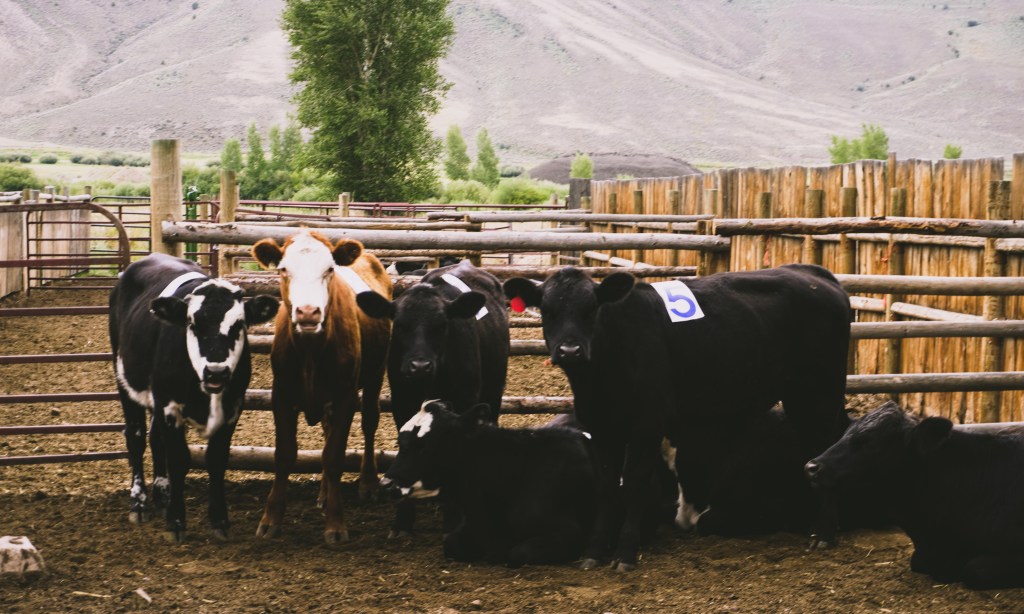
Calves awaiting the open sort event at Trudy Vader’s Top Hand Series. Photo by Ashley O’Hara.
“Crossing Fenceposts” symbolizes the act of moving beyond imposed boundaries, both physical and societal, in this case, traditional gender roles. Just as a fence marks divisions in landscapes, conventional gender roles have drawn limits around women’s work in ranching. By crossing these barriers, women in ranching have defined their roles, stepping into spaces historically dominated by men and reshaping the identity of ranching in the West. In 2024, a diverse group of women from Gunnison County, Colorado, participated in an oral history project to document and illuminate their historically underrepresented experiences in ranching from the 1960s to the present.
While these women come from a predominately white county (93%), their experiences are diverse and deeply impactful, offering a range of perspectives on life and working in ranching in rural Colorado. Some identify as ranchers or cattlewomen, working outdoors year-round with livestock. In contrast, others assume the vital responsibilities of homemakers, skillfully balancing family life with seasonal ranch duties, such as calving in early spring. Additionally, some women actively advocate for ranchers and the preservation of ranching heritage, working to protect ranchlands through local nonprofit initiatives, such as the Gunnison Ranchlands Conservation Legacy and the Upper Gunnison Water Conservation District, or through state legislation in Colorado. Many of these women are also part of the Gunnison Valley Cattlewomen, a women’s auxiliary group that supports local ranchers through educational and community events, raises awareness about ranching and agricultural issues, and promotes beef. Regardless of their roles in ranching, their contributions to promoting the beef industry, or how they became involved in this industry, all of their efforts are aimed at the success of their ranches, the ranches they work for, or the greater Gunnison County ranching community.
What unites them is their connection to open-range cattle ranching in Gunnison County and their passion for the land. There is no single path to becoming a cattlewoman, and this project explores the many ways these women have contributed to and continue to sustain an industry that has shaped Gunnison County since the mid-19th century.
Below, you can explore the stories of each woman who participated in the project, accompanied by a brief biography and an excerpt from her oral history.
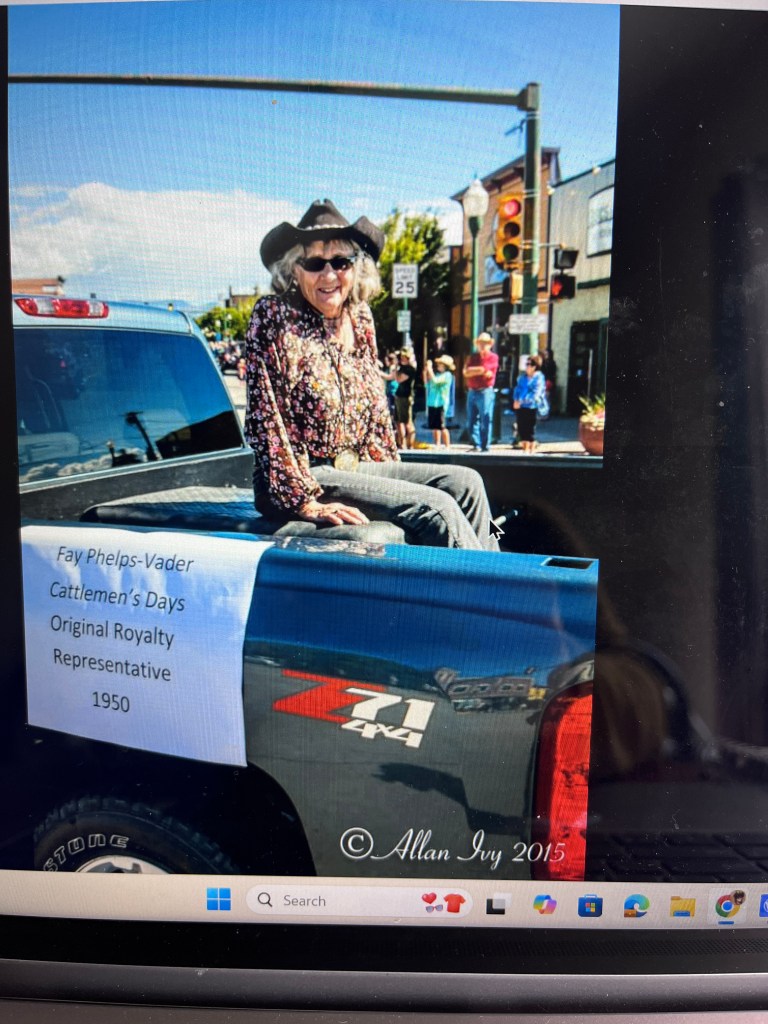
Fay Vader
Born in 1933 in Gunnison, Fay was put on a horse as soon as she could walk, and horses remained a central part of her life on and off the ranch. She proudly carries on a long-standing ranching legacy in the Tomichi Valley, working every range in Gunnison County and choosing where she wanted to ride. One of the valley’s first female range riders, she was also a skilled trick rider, performing in The Searchers and The Caribou Trail, both of which were filmed in Gunnison County. While she was a mother, Fay always preferred working outside over domestic duties, finding her greatest fulfillment on horseback and in the open country.
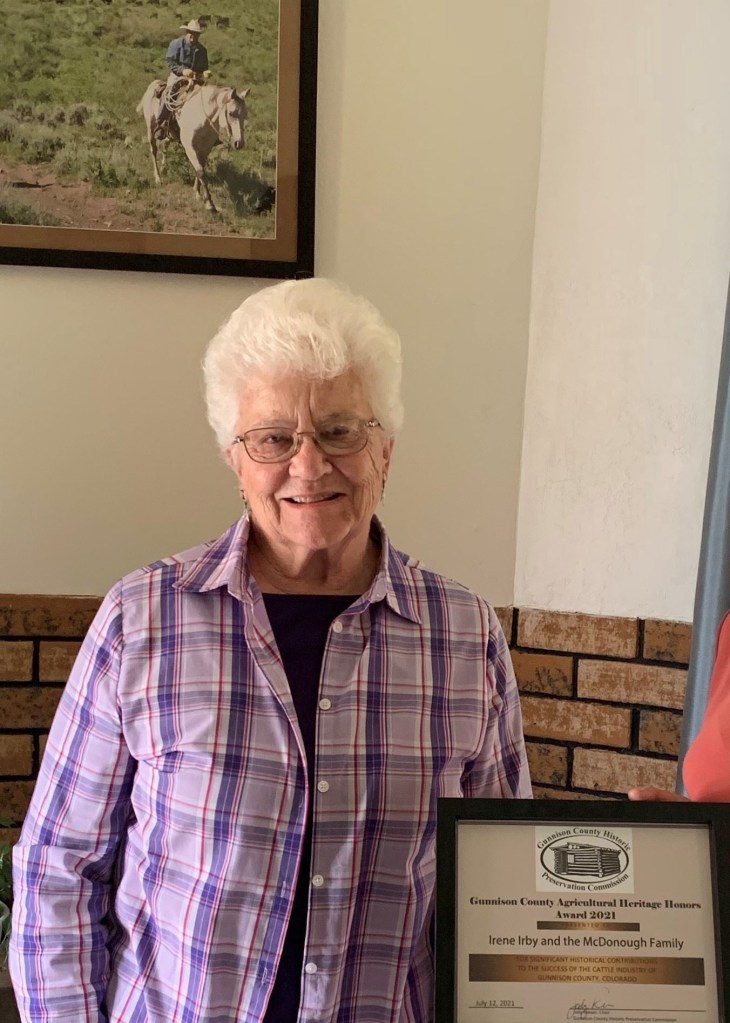
Irene Irby
Born in 1936, Irene “Goldie” Irby grew up working in the hayfields and riding horses on her family’s ranch in Gunnison County. After marrying Bob Irby in 1954, Irene became a ranch wife, supporting the ranch through cooking, domestic labor, and raising their children. She enjoyed life in a remote part of the county and was an active member of the Gunnison Valley Cattlewomen’s Association, serving as president from 1990-1991. In 2021, Irene was honored by the Gunnison County Historic Preservation Commission for her and her family’s contributions to the agricultural community. Today, she still resides in their family ranch house east of Gunnison, once a quiet road now bustling with traffic, and enjoys time with her family.
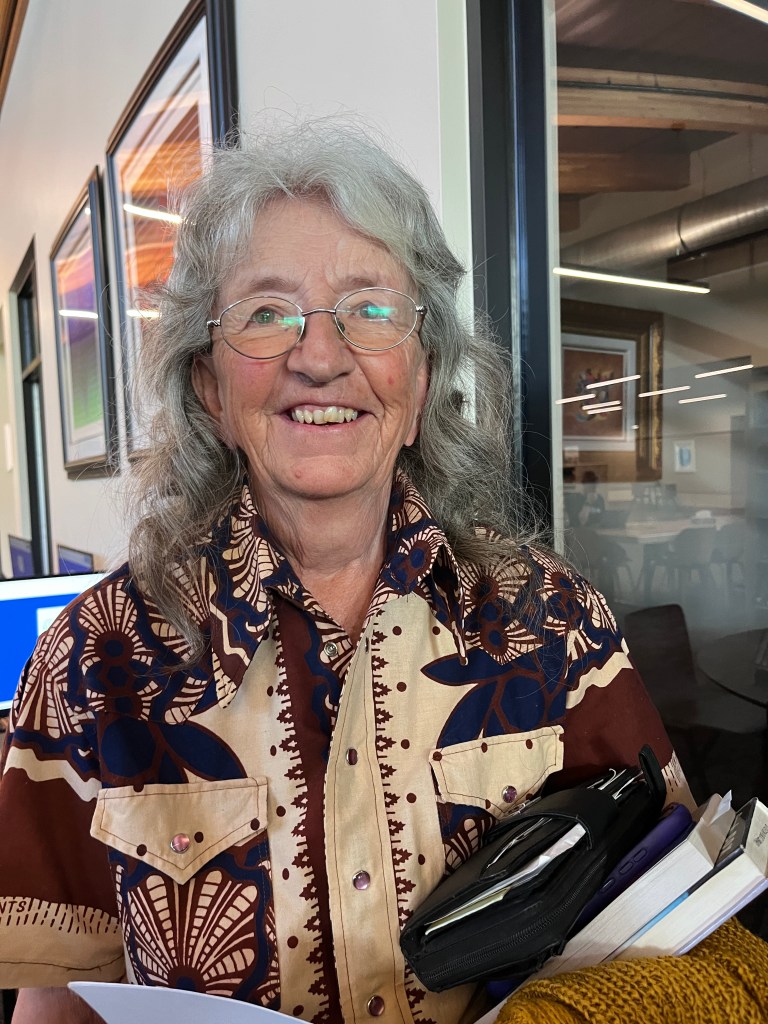
Margaret Vader-Funk
Born in 1952 in Gunnison County, Margaret Vader-Funk grew up with deep roots in the region’s ranching community. A descendant of the Vader family, her great-grandfather settled in the area in 1881 after working as a freighter supplying ranchers and miners. Margaret recalls her childhood on what is now known as the Tomichi Meadows Ranch, where her responsibilities included haying and feeding livestock. After attending beauty school in Grand Junction, she married Howard Funk in 1970. Together, they first established a sawmill in the remote Cochetopa Valley and followed with a small cattle operation. While raising their two children, Margaret homeschooled them and took them along on cattle roundups in Taylor Park from a young age. She also learned to cook on a Majestic wood stove and worked alongside her husband as a range rider for the cattle operations of Taylor Park and Saguache Park. Their daughter continues to help on the ranch each summer, and over the years, they have welcomed high school students from Colorado’s Front Range to experience ranch life firsthand.
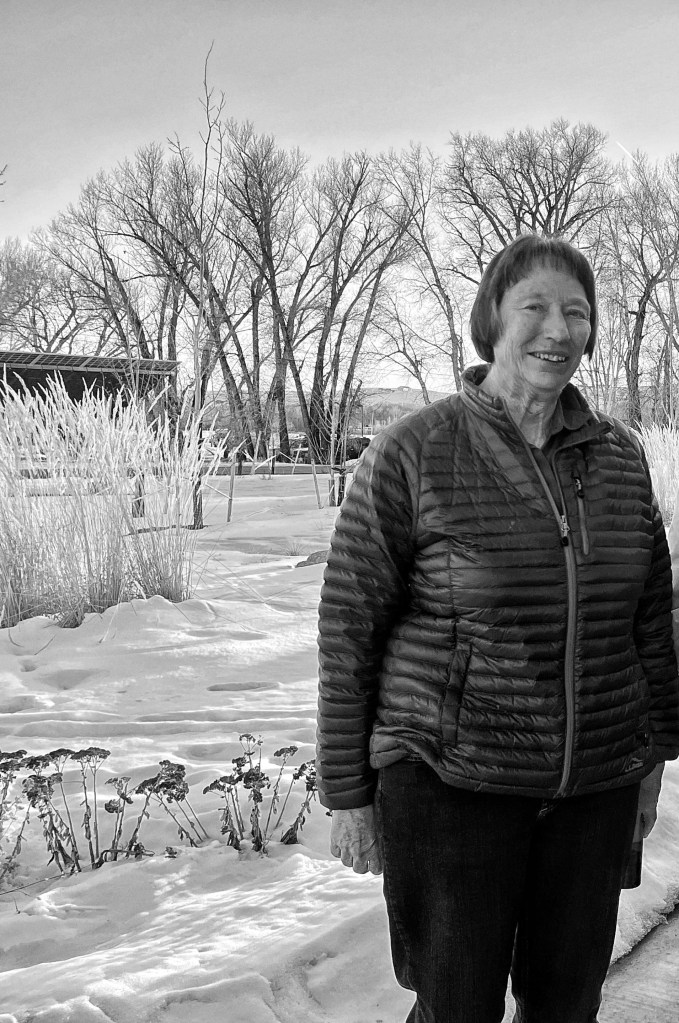
Jeannie Miller
Jeannie Miller, born in 1948 in Gunnison, Colorado, was raised on her family’s ranch, the Miller Ranch, located in the Ohio Creek region of the Gunnison Valley. As the firstborn of her generation, Jeannie enjoyed special attention from her uncles, who took her on rides in the Model T and out into the fields. From a young age, she was involved in ranching, helping her dad and brother with calving season and other ranch chores. As she grew, her brother Carl joined her as a companion and laborer, and together, they worked alongside their father. Jeannie was also active in the 4-H program, which she believes is vital to young students and ranchers. Despite her deep love for ranching, Jeannie graduated college at her father’s request. She became a teacher, continuing to return to the Ohio Creek Valley every summer and on weekends to lend a hand. Though her father sold the ranch in 2008, Jeannie cherishes the memories of growing up on the Miller Ranch in this valley and the lasting impact it had on her life.
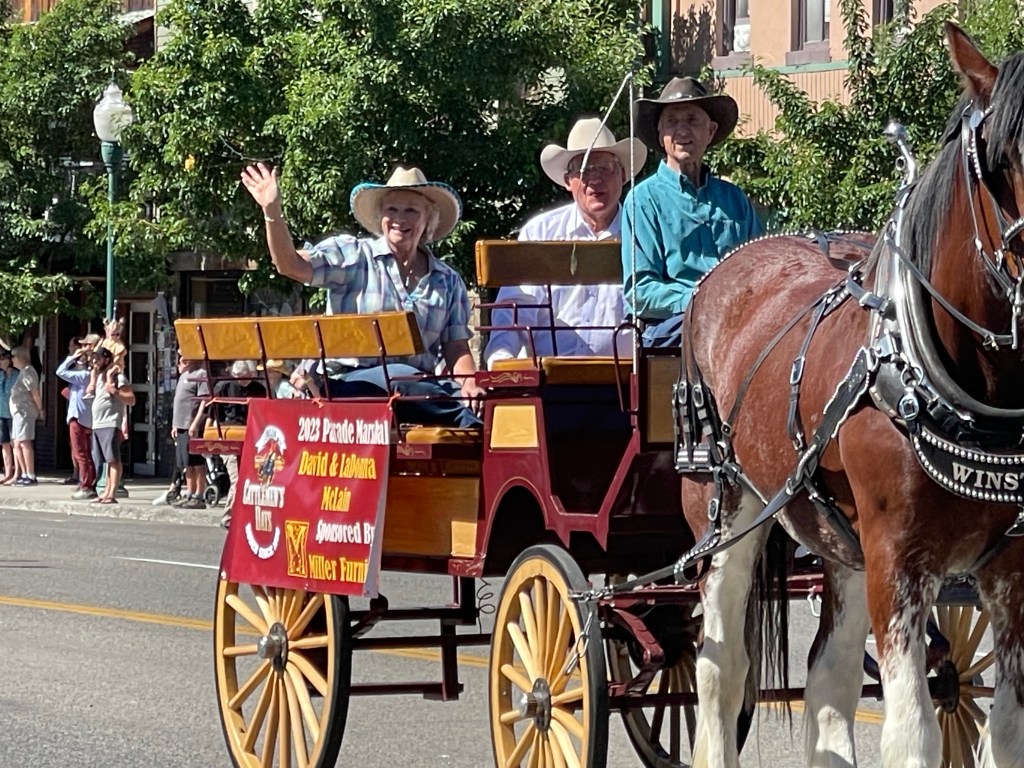
LaDonna McClain
Born in 1951 in Texas, LaDonna McClain moved to Gunnison at the age of six from Pueblo, Colorado, where her parents owned Western Plumbing and Heating and operated a resort in Ohio City. At nine, she got her first horse and saddle and began riding. By age eleven, LaDonna was working for a local rancher, helping move cattle up and down Quartz and Gold Creek. She met her husband, David McClain, on the school bus, and by the time she was fifteen, she was riding for the McClain’s, moving cattle up Alder Creek to Lost Canyon. In 1988, LaDonna and David purchased David’s family ranch, where they operated a cattle, hay, and sawmill business while raising their three children. She recalls that women were not allowed at cow camp, and by 2024, their operation had hired its first female rider. A proud cattlewoman, LaDonna has served as president of the Gunnison Valley Cattlemen’s Association twice and currently volunteers at the Pioneer Museum in Gunnison. She enjoys quilting and spending time with her grandchildren. After retiring, she and David passed the ranch to their son and his family.
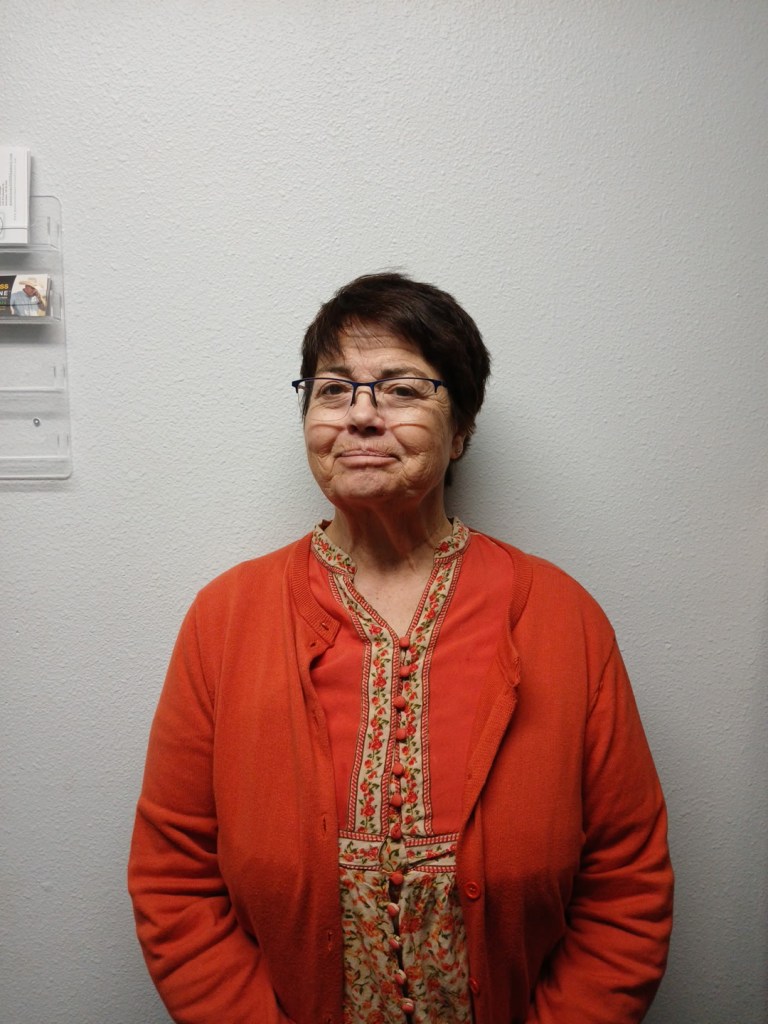
Melody Roper
Born in 1968, Melody Roper grew up in Gunnison, Colorado, and married into a ranching family in 1974. Although her family was not directly involved in ranching, her husband managed three ranches in Gunnison, and she became an integral part of the ranching community. Melody helped with artificial insemination on the Esty Ranch, where she and her husband worked with registered cows. She attended a specialized school to learn the process of insemination, which involved learning the anatomy of cattle and performing the procedure. Despite her deep involvement in ranching, Melody also worked outside the ranch, managing the Gunnison County fairgrounds. From 2020 to 2022, Melody served as president of the Gunnison Valley Cattlewomen, an experience she found rewarding. She enjoys being part of the ranching community and considers it a great family activity that brings everyone together. Melody continues to cherish the opportunities she has had to learn and grow in the ranching industry while balancing her other interests.

Barbara East
Born in 1950, Barbara East grew up in Boulder, Colorado. Though her parents held non-ranching jobs, they operated a small hay business on the Front Range. Barbara’s passion for horses and ranching developed through time spent with the neighboring Hogan Ranch family. Her first trip to Gunnison was with her father, initially motivated by her love of horses. However, she soon realized she wanted to work on a ranch and began mowing for a local ranch family in Gunnison County. After high school, she became a private contractor and range rider, working cattle in Montana and Colorado, including Gunnison County and the Grand Mesa.
Barbara’s life as a cattlewoman and as an artist are inseparable. She manages cattle grazing in the high country and draws inspiration from her experiences for her art. A professional artist since childhood, she is known for her intricate watercolors and egg tempera works, often creating commemorative pieces that celebrate family ranches and agricultural organizations. Through her art, Barbara captures the essence of ranch life and its meaningful legacy.
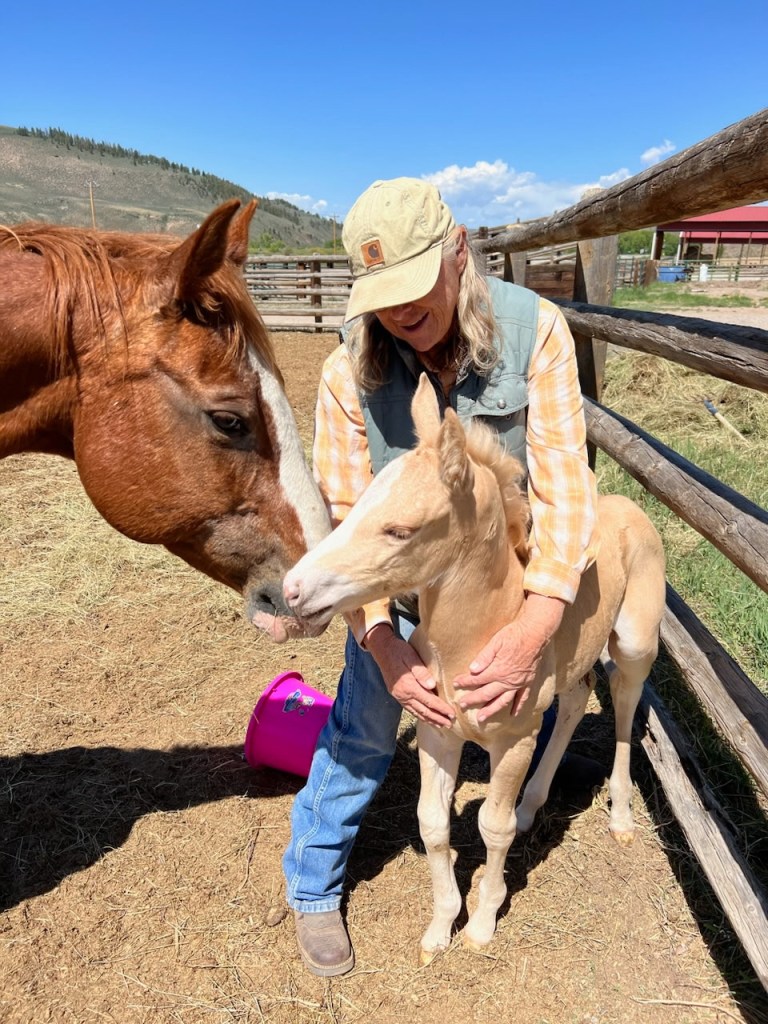
Sherry Redden
Sherry Redden, born in 1956, grew up on the East Coast. She met her husband, a third-generation rancher from Gunnison County, in 1981, and they married in 1987. Together, they have three children and view ranching as a family business. Sherry describes ranching as a “full-time, part-time, and overtime” lifestyle, highlighting its demanding nature. After working on and off ranches, she left her town job in 1998 to ranch full-time with her husband, leasing the Low Valley Vader Ranch. Passionate about education, Sherry enjoys giving ranching demonstrations to students and teaching them about the industry through hands-on group activities with the Gunnison Valley Cattlewomen’s Association outreach programs. She is also active in the ranching community, spinning yarn and offering demonstrations. From 2018 to 2019, Sherry served as president of the Gunnison Valley Cattlewomen’s Association.
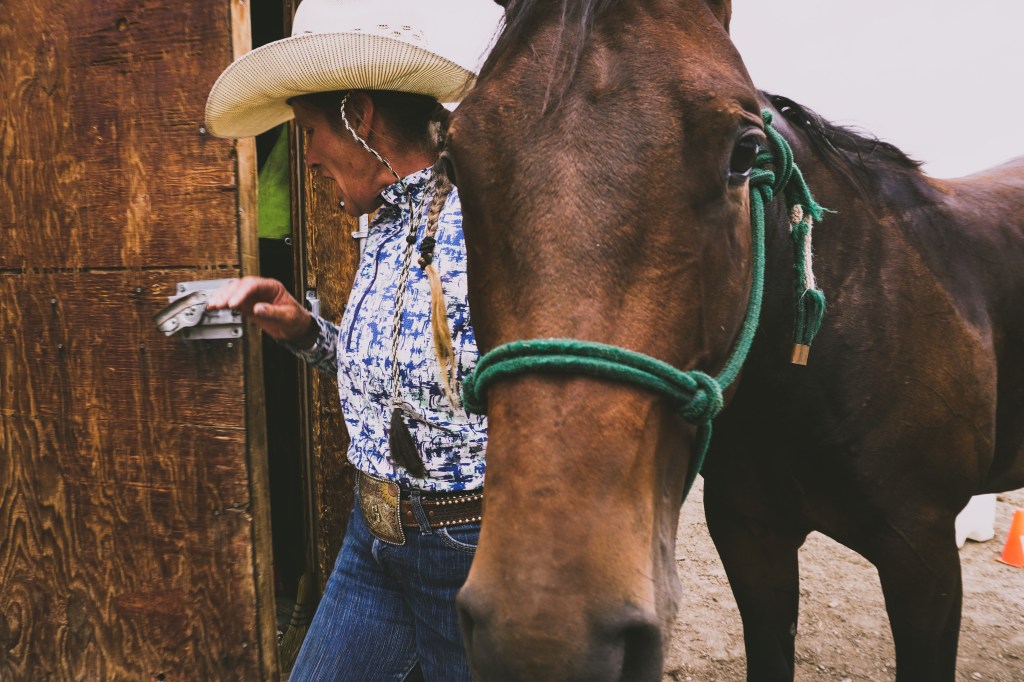
Trudy Vader
Trudy Vader, born in 1958, was raised in Gunnison and is the niece of Fay Vader. Her family’s ranching roots in the valley date back to 1881, with her parents, Dan and Letha Vader, raising Herefords. From a young age, Trudy preferred working outside, helping with the cattle and the Hereford herd. She considers herself both a rancher and a trick rider, running her own small horse and cattle operation in Gunnison. Trudy values the deep connection her family has to the land and horsemanship, a tradition that has been passed down through generations. Her passion for ranching grew as she rode horses on open ranges up Taylor Gulch, helped with cattle drives, and embraced the sense of community ranching offers. Trudy also worked as an art teacher and later became a superintendent before returning to Gunnison to care for her mother and continue her ranching work. In recent years, she has organized the Top Hand Series, an event with three segments: the Trail Challenge, Cattle Drive, and Open Sort. These segments require the combined efforts of riders, horses, and calves, recreating tasks practiced by range riders and ranchers. Organizing the event is a group effort that reflects the teamwork essential to ranching.
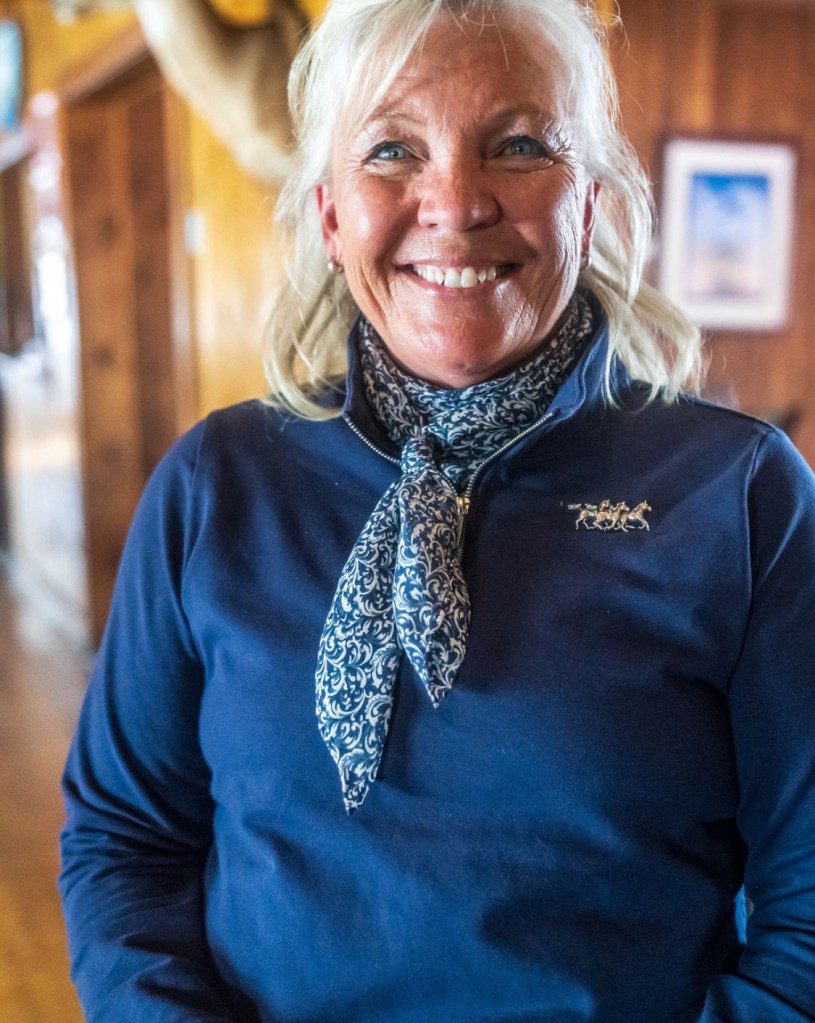
Nola Means
Born in 1959 in Michigan, Nola Davis-Means grew up helping her father run a small farm, despite her parents having outside jobs. From a young age, she knew she wanted to be a rancher and preferred outdoor work over household chores. After college, Nola moved west with no specific destination, guided by a strong sense of purpose. She eventually settled in Gunnison, where she met her husband, Dave Means, a fifth-generation rancher. Together, they established their ranch in the Quartz Creek Valley, where they still ranch today. Nola was president of the Gunnison Valley Cattlewomen’s Association from 1996 to 1997 and has contributed to the 4-H program. Her favorite part of ranching is the connection she feels with the animals and the land, which she nurtures through hiking, riding horses, and snowshoeing.
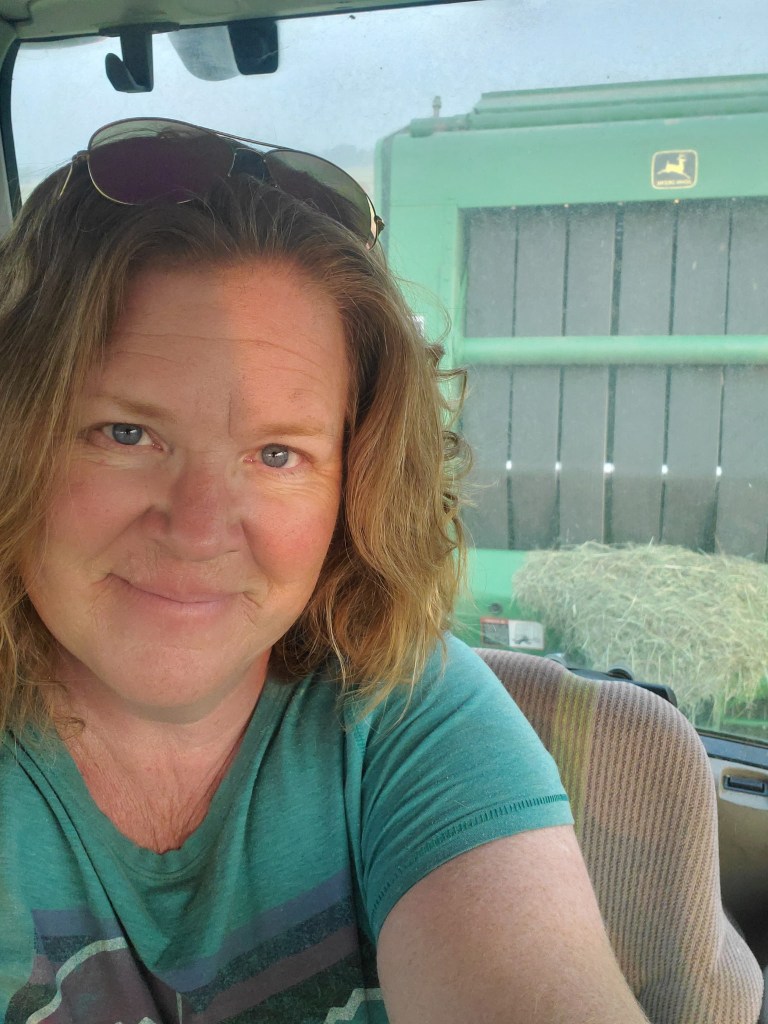
Jan Washburn
Born in 1972, Washburn is a fifth-generation rancher who co-manages the Spann Ranch with her family. After college, she returned to the ranch and worked alongside her parents, Lee and Polly, until a back injury shifted her role. She now manages the ranch with her brother, handling administrative tasks and supporting the ranch in any way needed.
A former president of the Gunnison Valley Cattlewomen’s Association (1999-2001), she remains an advocate for ranching and believes in using her voice to support the industry. Outside of ranching, she enjoys painting, especially on cattle skulls. Washburn lives in Crested Butte with her husband, Doug, and their children, continuing her family’s ranching legacy.
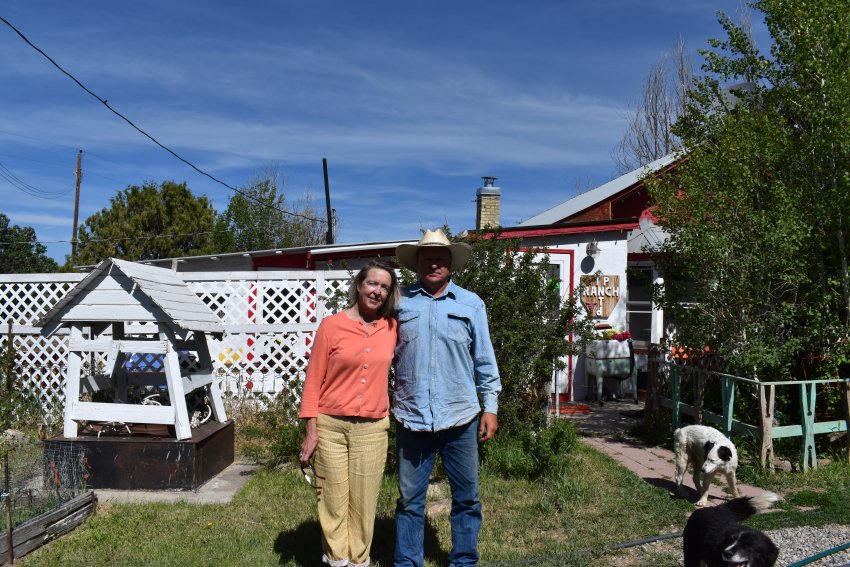
Kathleen Curry
Born in 1960 in Denver, Colorado, Curry is a dedicated advocate for water conservation and the livelihoods of ranchers. After marrying Scott Peterson, a second-generation rancher in Gunnison’s Tomichi Valley, she fully embraced the ranching lifestyle, actively contributing to the Peterson Ranch while promoting water conservation. As a former manager of the Upper Gunnison River Water Conservancy District and a Colorado state representative, she focused on ranchers’ rights and the environmental issues affecting the Western Slope, believing that ranchers’ needs are often overlooked. Curry discusses her career in water resource management, water law, and conservation, as well as the impact of policy on ranching. She also reflects on gender roles in agriculture, the pressures of land development, and the future of sustainable ranching, offering a unique perspective on the intersection of environmental stewardship, political advocacy, and rural traditions in shaping the American West.
Stacy McPhail
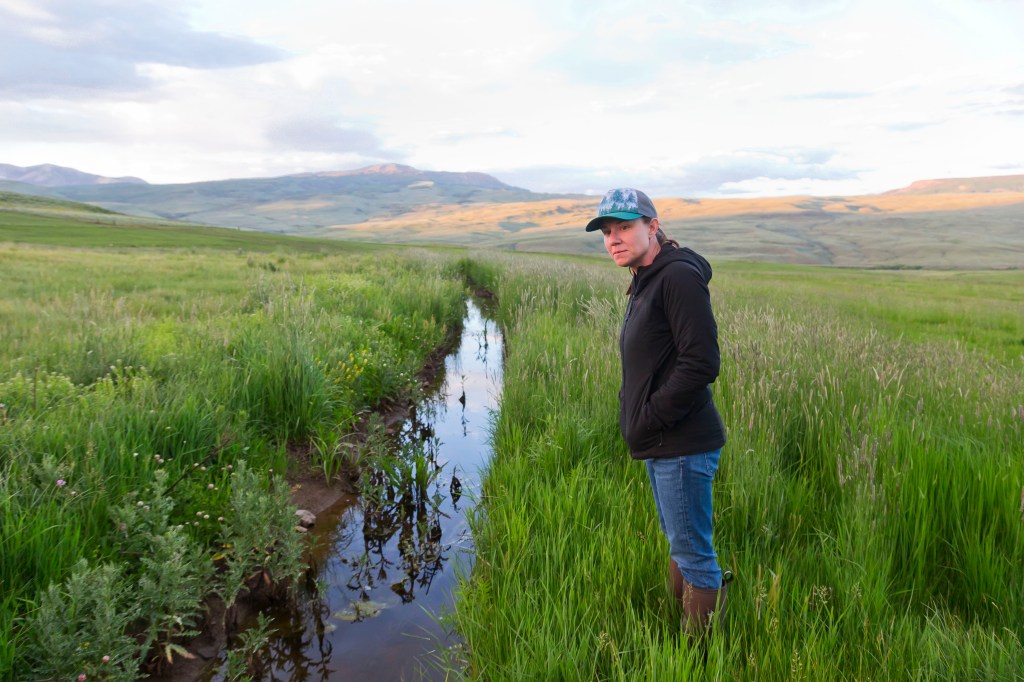
Stacy McPhail, born in 1975 in Texas, is dedicated to agriculture and land conservation. After studying animal science at Texas A&M University, she married Eric McPhail, whom she met during her time in school. She worked for nearly a decade as a ranch hand on her husband’s family ranch in Central Texas, gaining experience in calving, cattle health, irrigation, and artificial insemination. In 2009, her family moved to Gunnison County, Colorado, when Eric got a job. She became Executive Director of the Gunnison Ranchland Conservation Legacy in 2015, where she advocated for land conservation, water rights, and sustainable ranchingpractices, including the donation of the Trampe Ranch, which secured 6,500 acres for preservation. McPhail has also led the Gunnison Cattlewomen’s Association and the Upper Gunnison River Water Conservancy District, supporting female ranchers, climate research, and responsible land management. Her journey reflects the evolving role of women in ranching and the link between conservation and agriculture in the Gunnison Basin.
 Crossing Fenceposts An Oral History of Ranch Women in Gunnison County, 1965-Present
Leave a comment